Apurva Mishra Product Manager
Consumer products · Enterprise workflows · Applied AI
I lead product discovery, define requirements and priorities, coordinate cross-functional delivery, and measure outcomes across consumer, franchise, enterprise and AI products.
Research · Product strategy · Delivery · Analytics
Selected work · 2018—Now
Case studies covering product discovery, prioritization, workflow design, delivery and measured outcomes.
Product Manager@Burger Singh
01 · Case study
Burger Singh
Owned franchise operations products spanning inventory, ordering and support.
Read the Burger Singh case study- Scope
- 200+ outlets
- Team
- 12 cross-functional
- Pilot
- 10K users
- Outcome
- 70% manual updates replaced
Editorial reconstructions based on résumé-described work · not shipped-interface screenshots
01Case overview
Owned the franchise operations product from problem definition through rollout.
This case traces how outlet stock signals became owned operational actions, and how adoption was measured against the manual baseline.
editorial reconstructionFranchise operations decision queue
Operations workspace
All outlets Decision queue
SignalState
- Outlet 014Dry-stock count submittedReview
- Outlet 087Transfer has no ownerAssign
- Outlet 103Delivery mismatch resolvedClosed
02Discovery findings
Research identified three operational failure points.
Interviews and process mapping showed delayed stock counts, missing context between teams and support decisions made without a shared history.
editorial reconstruction- 01CountManual stock updates delayed the first reliable signal
- 02HandoffOutlet context was lost as work moved to operations
- 03DecisionSupport acted without the history behind the request
03Workflow definition
Defined the decision workflow before designing the interface.
Mapped signal capture, review, action and feedback as one end-to-end workflow, then used it to define requirements, ownership and acceptance criteria.
editorial reconstruction- 1CaptureOutlet records the operational signal
- 2ReviewOperations assesses context and priority
- 3ActThe assigned role completes the next step
- 4ValidateOutcome data informs the next decision
04Delivered product
Delivered a role-based franchise operations workflow.
Translated stock, ordering and support requirements into role-specific tasks, statuses, ownership and next actions for outlet and central teams.
editorial reconstruction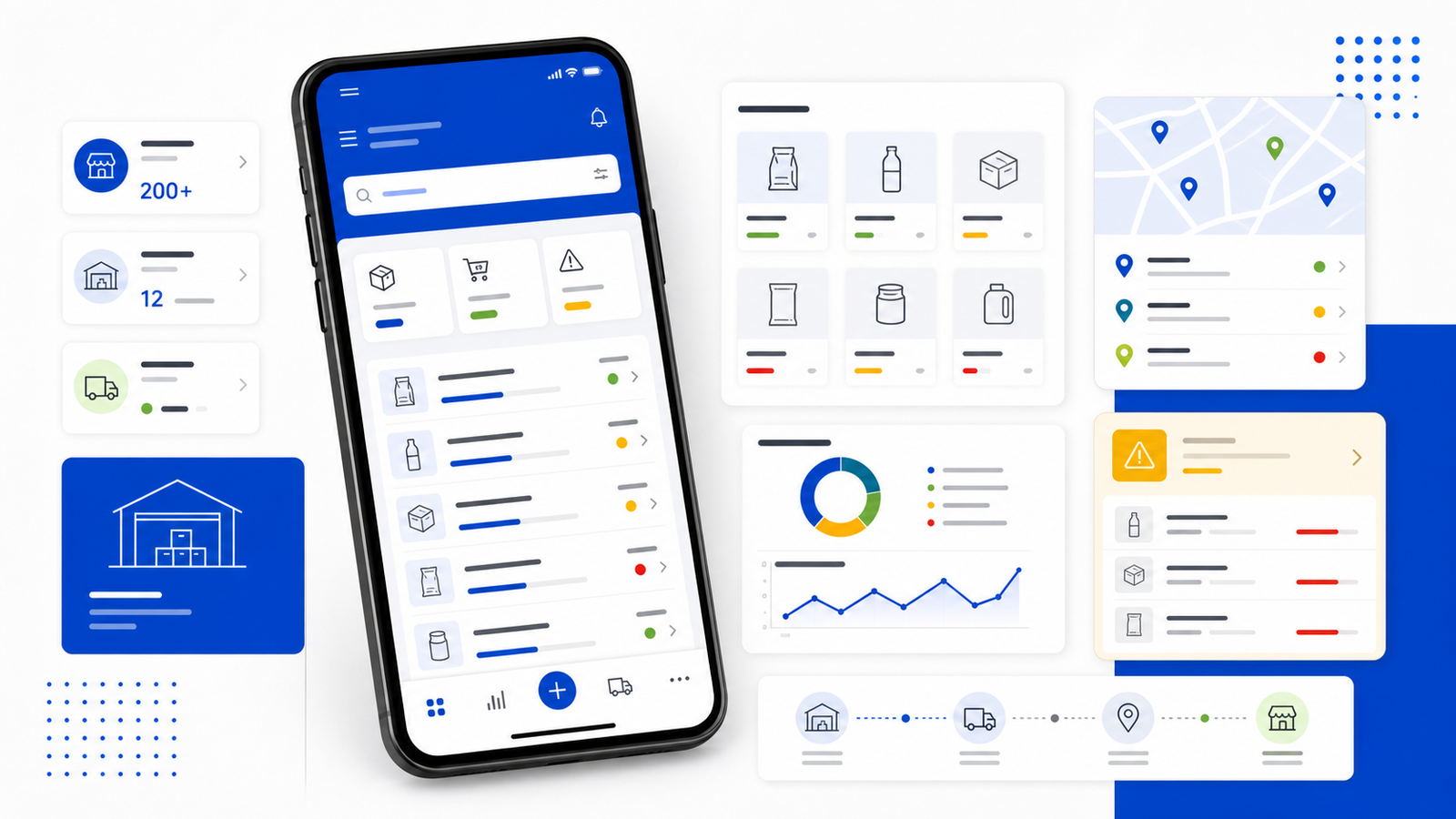
05Measured outcome
Measured adoption against the manual process baseline.
The first release focused on the highest-friction manual step. Usage and operational evidence informed follow-on priorities and decisions to rescope later work.
resume claim Résumé-derived rollout outcome 70%
manual stock updates replaced
Measured against the manual-process baseline described in the case record.Update workflow share100% baseline
Part-to-whole chart: 70 percent of manual stock updates were replaced by the product workflow; 30 percent remained manual.
- 01Baseline
Manual stock updates
- 02Adoption signal
Update completed in product
- 03Recorded result
70% replaced
06Product system
Standardized reusable product patterns across core modules.
Defined shared task states, status conventions and interaction patterns for inventory, handoffs, orders, support and reporting.
editorial reconstruction- Tasks
- Inventory
- Handoffs
- Orders
- Support
- Reporting
07Workflow coverage
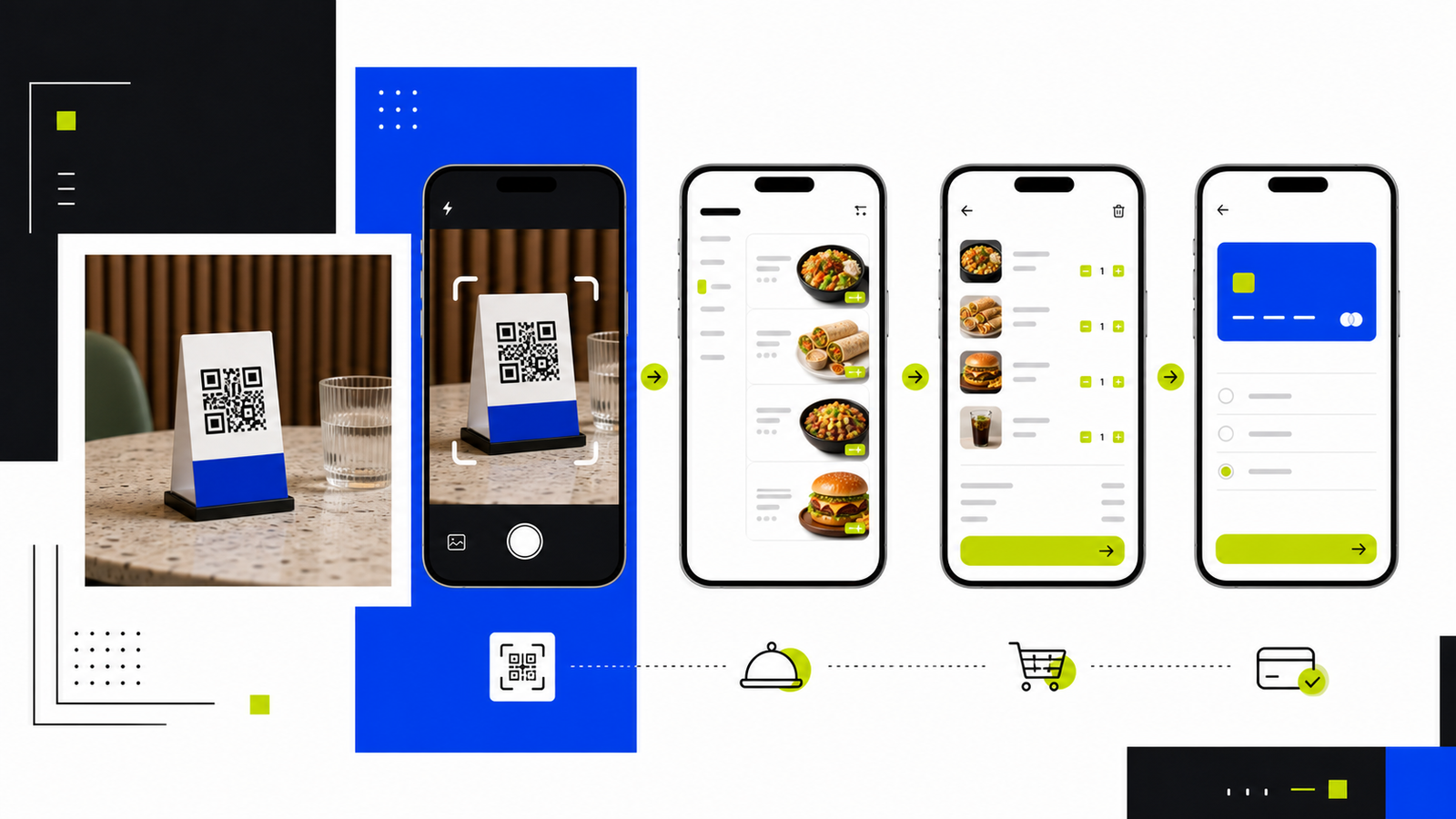
Applied the product model across three user workflows.
The task, status and exception model supports outlet staff, central operations and customer ordering while keeping each role's responsibilities distinct.
editorial reconstructionFranchise operations decision queue
Operations workspace
All outlets Decision queue
SignalState
- Outlet 014Dry-stock count submittedReview
- Outlet 087Transfer has no ownerAssign
- Outlet 103Delivery mismatch resolvedClosed
Product Owner@Capgemini
02 · Case study
Capgemini
Product ownership across regulated programs in three regions: requirements, prioritization, acceptance criteria and delivery governance.
Read the Capgemini case study- Programs
- Boeing + ENEL
- Delivery
- 50 PI cycles
- Team
- Up to 50 · 3 regions
- Quality
- 0 data incidents
Editorial reconstructions based on résumé-described work · not shipped-interface screenshots
01Scope & ownership
Owned product requirements across regulated enterprise programs.
Owned requirements and backlog decisions for Boeing and ENEL programs delivered across three regions.
editorial reconstruction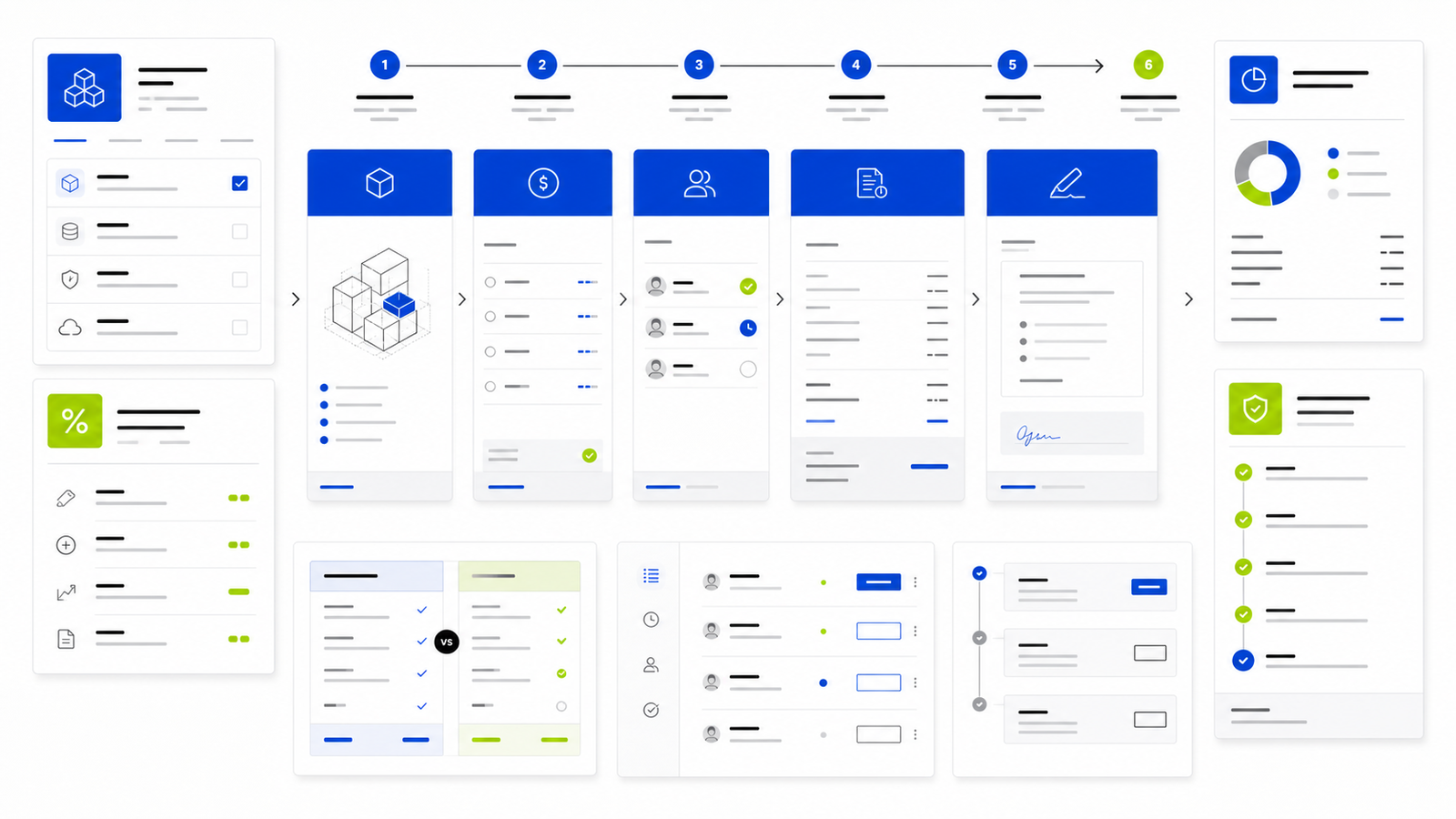
02Discovery findings
Discovery exposed requirement ambiguity across teams and regions.
Stakeholder inputs arrived in different formats, acceptance criteria varied by team and regulated data required clear traceability.
editorial reconstruction- 01Requirements
- 02Three regions
- 03Regulated data
03Workflow definition
Defined traceability from business need to acceptance.
Connected discovery notes to written requirements, implementation rules and acceptance evidence so teams could review the same decision record.
editorial reconstruction- 1Discover
- 2Specify
- 3Build
- 4Validate
04Delivered product
Implemented configuration rules as an auditable product workflow.
The CPQ workflow exposed configuration rules, approvals and contract states instead of relying on offline clarification.
editorial reconstruction05Measured outcome
Reduced stories reopened for clarification by 50%.
Tracked reopened stories after delivery; the résumé records a 50% reduction in stories reopened for clarification.
resume claim50%
fewer stories reopened for clarificationRésumé-derived delivery outcome
06Product system
Standardized requirements, approvals, testing and evidence.
Reused requirements, rules, approvals, tests, training and evidence across product delivery.
editorial reconstruction- Requirements
- Rules
- Approvals
- Tests
- Training
- Evidence
07Workflow coverage
Applied the delivery model across programs and regions.
Applied the same requirements and acceptance model across Boeing and ENEL work in three regions.
editorial reconstructionOperations Associate@FreshConnect
03 · Case study
FreshConnect
Operations and product discovery across retailer research, inventory, routing, fulfilment and measurement.
Read the FreshConnect case study- Research
- 150 retailers
- Customers
- First 50 paying
- Operations
- ~35 orders/day
- Delivery
- 95% on time
Editorial reconstructions based on résumé-described work · not shipped-interface screenshots
01Scope & ownership
Managed daily operations across inventory, routing and retailer demand.
Managed inventory and routing while interviewing 150 retailers and supporting the first 50 paying customers.
editorial reconstruction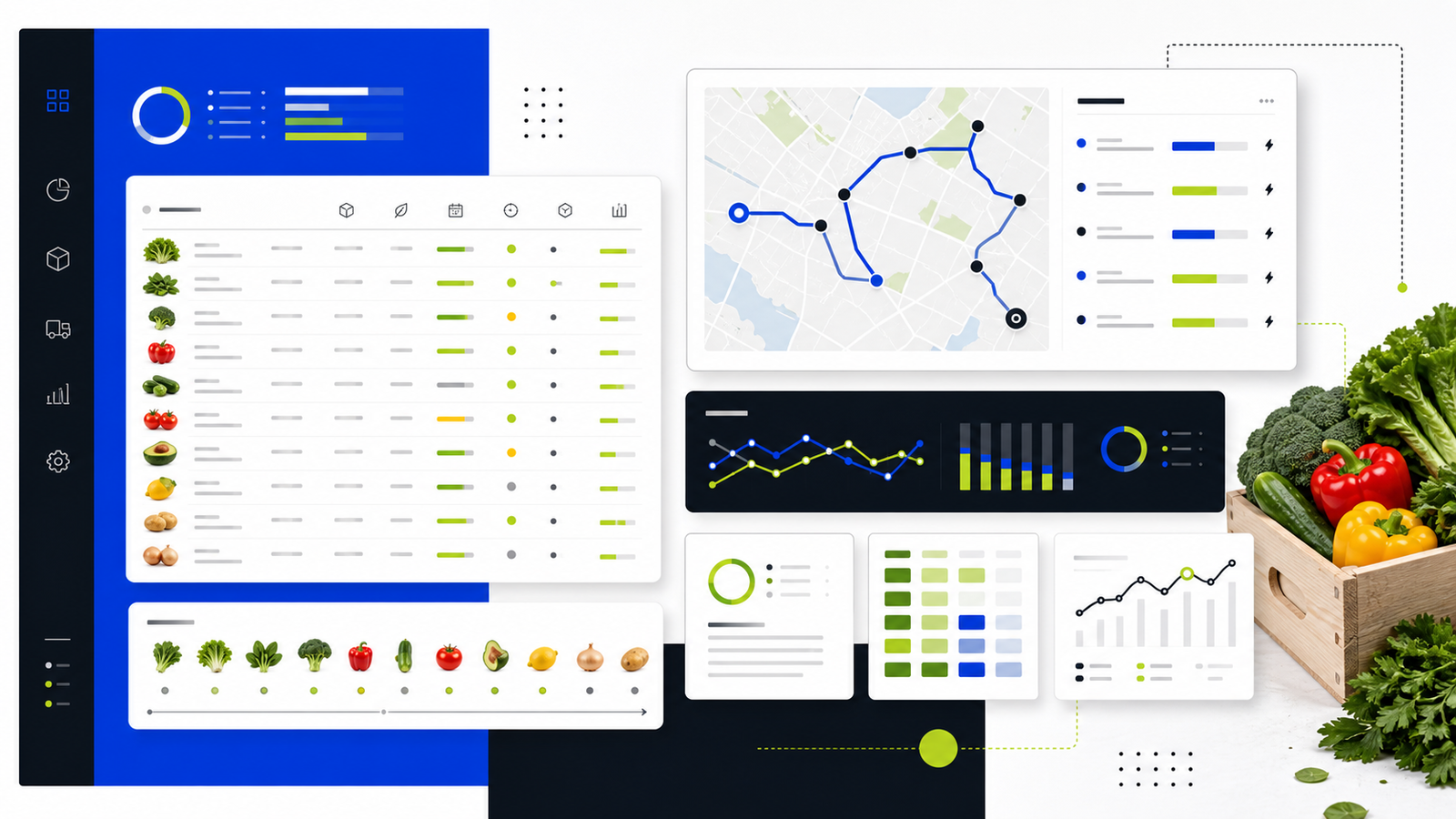
02Discovery findings
Field research identified where waste and delay entered the process.
Perishable stock, variable routes and changing retailer demand caused waste, rework and late decisions.
editorial reconstruction- 01Perishable stock
- 02Variable routes
- 03Retailer demand
03Workflow definition
Defined the workflow from demand signal to physical delivery.
Connected retailer calls and demand signals to inventory planning, route assignment, delivery and feedback.
editorial reconstruction- 1Hear
- 2Plan
- 3Deliver
- 4Learn
04Delivered product
Built one operating view for stock, routes and customer demand.
The operations view brought stock, orders, routes and exceptions into one daily workflow.
editorial reconstruction05Measured outcome
Improved inventory-count accuracy by 25%.
The résumé records a 25% improvement in inventory-count accuracy after the operating changes.
resume claim25%
higher inventory-count accuracyRésumé-derived operations outcome
06Product system
Standardized the daily operating model.
Used stock, orders, routes, exceptions, retailers and feedback as the shared daily operating model.
editorial reconstruction- Stock
- Orders
- Routes
- Exceptions
- Retailers
- Feedback
07Workflow coverage
Connected warehouse execution with retailer feedback.
Used retailer feedback and delivery results to adjust warehouse and route decisions.
editorial reconstructionHow I work
Product management from problem definition through delivery and measurement.
My work includes user and stakeholder research, journey mapping, product requirements, prioritization, cross-functional delivery, release validation and outcome tracking.
Product discovery and problem definition
User and stakeholder interviews, field observation, process mapping, market context and unit economics.
Workflow and requirements design
Journey mapping, product requirements, acceptance criteria, ownership and measurable outcomes.
Delivery, measurement and prioritization
Cross-functional delivery, release validation, usage analysis and evidence-based reprioritization.
AI evaluation and reliability
Golden datasets, regression tests, failure-mode analysis and explicit quality thresholds.
Credentials & tools
MBA · IIM RohtakB.Tech · Mechanical EngineeringSalesforce AI AssociateSalesforce Business AnalystSnowflake SnowPro CoreSQL · Python · Power BI · BigQuery